
In 2025, the Spanish real estate market continues to evolve in a dynamic environment, driven by strong demand, a still very attractive tourism sector and growing interest from foreign buyers. However, the time required to sell a house or apartment in Spain varies significantly depending on several factors: the property’s location, its asking price, overall condition, availability of administrative documents and the marketing strategy applied.
Contrary to popular belief, selling property in Spain is not always fast. In major cities and attractive coastal areas such as Valencia or Málaga, a well-positioned property can find a buyer within a few weeks. On the other hand, in rural areas, inland regions or less competitive markets, a property may remain on the market for several months.
To clarify these differences, this article provides a structured overview of selling times in Spain in 2025, along with the main factors that help control and optimise these timelines.
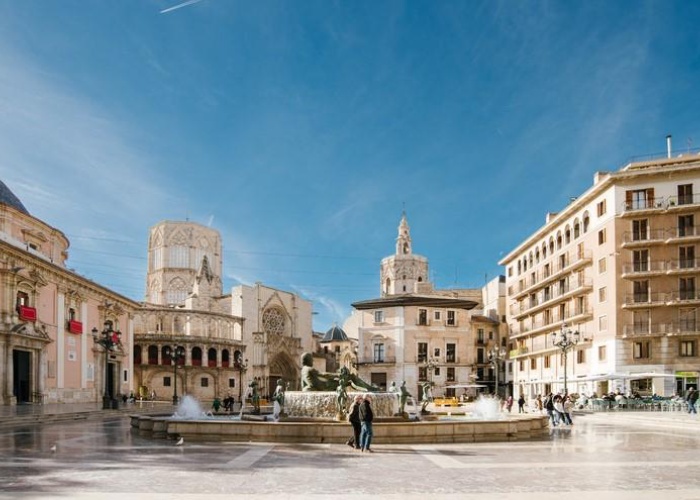
In Spain, selling quickly is never a matter of luck: a dynamic market rewards well-prepared sellers.
Average Selling Times in Spain in 2025
In 2025, the time needed to sell a property in Spain varies greatly depending on the geographical area and the strength of the local market. In major cities and attractive coastal locations such as Valencia, Alicante, Barcelona, Palma or Málaga, a correctly priced and well-presented home is generally sold within 1 to 3 months. These areas benefit from a high volume of both domestic and international buyers, which supports faster transactions.
In medium-sized cities or areas with more irregular demand, selling times tend to be longer, typically between 3 and 6 months, allowing time to find a genuinely motivated buyer and complete negotiations.
In rural or less sought-after areas, it is common for properties to remain on the market for 6 to 12 months, or even longer when prices are overestimated or supply exceeds demand.
In addition to these timelines, there is the period between signing the preliminary sales agreement (contrato de arras) and the final notarial deed, which generally takes 4 to 8 weeks.
In most cases, a complete property sale in Spain therefore takes between 2 and 6 months.
Factors That Speed Up or Slow Down a Sale
Selling time largely depends on the quality of the marketing process and the decisions made at the outset. The most decisive factor remains price. A property listed above its real market value may remain visible on property portals for months, while a realistic price, based on a professional valuation, generates more enquiries and offers.
Property presentation also plays a crucial role. High-quality photos, a clean and bright interior, professional staging and a clear, detailed listing significantly increase the chances of selling quickly. In addition, having all administrative documents readily available (energy certificate, escritura, IBI receipt, service charge statements, etc.) helps secure offers and avoid delays during negotiations.
Conversely, several elements can considerably slow down a sale: an overly ambitious price, a property requiring major renovation, a location far from attractive areas, or administrative irregularities such as undeclared extensions, missing documents or problematic co-ownership situations.
Ultimately, selling time results from a balance between local market conditions and the level of preparation of the property.
Main Stages of a Property Sale in Spain and Their Duration
Once a property is listed for sale, the first enquiries and visits usually occur within 1 to 4 weeks, depending on its attractiveness and location. The negotiation phase may then last from a few days to several weeks, depending on buyer profiles and sale conditions.
Once an agreement is reached, the preliminary sales contract (contrato de arras) is signed. The final step is preparing the notarial deed of sale, known as the escritura de compraventa. This phase generally takes 4 to 8 weeks, allowing the buyer to secure financing if necessary, verify the legal status of the property and organise the transfer of funds.
These successive stages explain why a complete property transaction in Spain typically takes several months, even in the most active markets.
How to Reduce Selling Time: Best Practices
To sell more quickly in Spain, it is essential to anticipate and structure the sale from the very beginning. A realistic valuation, based on recent transactions in the area, helps avoid long periods of stagnation. Preparing administrative documents in advance significantly reduces the risk of delays when offers are received.
Property enhancement is equally important. Cleaning, decluttering, highlighting key features and using professional photography can dramatically increase the number of visits. Foreign buyers, who are very active in the Spanish market, are particularly attentive to clear information and transparency.
Finally, working with a professional who understands the local market, practices and legal requirements helps speed up the entire process. This ensures better buyer selection, smoother negotiations and proactive management of administrative matters.
Conclusion
In 2025, the average time required to sell a house in Spain is between 2 and 6 months, depending on location, price and the level of preparation. Attractive areas benefit from shorter selling times, while less dynamic markets require more patience. A well-structured strategy — accurate pricing, prepared documentation and professional presentation — makes it possible to significantly reduce delays and sell under optimal conditions.