
In Valencia, the property market continues to evolve rapidly, with prices rising steadily over recent years. This trend is driven by the city’s growing attractiveness, both for local residents and international buyers.
However, despite this upward trend, Valencia remains more affordable than other major Spanish cities such as Madrid or Barcelona. This intermediate positioning makes it a particularly attractive destination for French-speaking buyers and investors looking for a balance between quality of life, price levels and capital growth potential.
In this article, we analyse the evolution of property prices in Valencia in 2025 and at the beginning of 2026 in order to identify the main factors behind this increase.
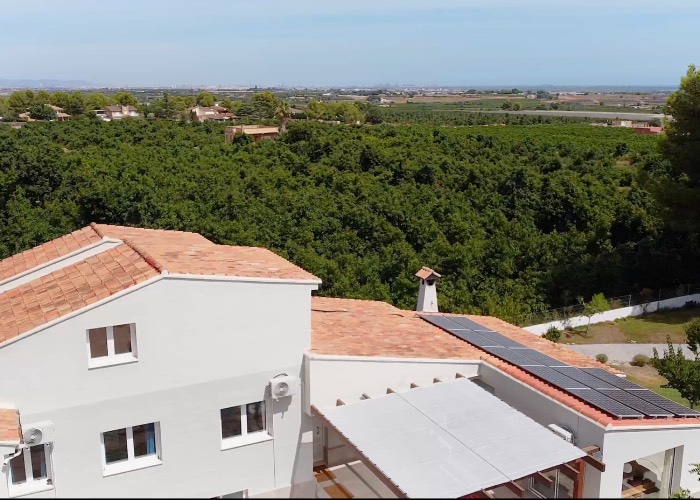
The rise in real estate prices is now also reaching peripheral areas.
A price increase confirmed by several sources
Recent data show that property prices have risen significantly in Valencia:
According to Levante-EMV, housing prices experienced a sharp increase from the start of 2026, with a notable rise in asking prices on the residential market.
Another report highlights that the rental market has reached record levels, with rents increasing sharply in Valencia, contributing to overall pressure on the local property market.
In addition, price increases now affect even peripheral neighbourhoods, showing that demand is no longer limited to the traditional city centre.
This confirms a structural upward trend, driven by both strong demand and limited supply across most areas.
Record prices in 2025
Available data for 2025 already confirm this dynamic:
According to Idealista, in November 2025 the average price of housing in Valencia reached a historic high of €3,238 per m², representing an increase of around +15% year on year.
In June 2025, statistics showed that the average price had exceeded €3,000 per m² for the first time, with significant increases across many neighbourhoods.
These figures illustrate the scale of price growth in 2025, which continued into early 2026.
Several factors explain this rise
Limited supply
The lack of available housing in central areas and well-connected districts is pushing buyers towards peripheral zones, leading to a generalised rise in prices across the entire metropolitan area.
Strong local and international demand
Residential demand remains strong, driven by both domestic and foreign buyers attracted by the Mediterranean lifestyle and the city’s economic dynamism.
Pressure on the rental market
Rising rents are increasing pressure on the overall market, as some households choose to buy rather than rent, further supporting property prices.
Valencia: Spain’s 3rd largest city, but only 6th in price per m²
Although Valencia is Spain’s third-largest city, property prices remain more affordable than in other major metropolitan areas such as Madrid or Barcelona. This represents a key advantage:
Average prices in Valencia are generally lower than in the main capitals, offering better value for money for buyers.
For investors, the combination of relatively attractive prices and strong rental demand creates favourable conditions for achieving solid returns.
In other words, even though the Valencian market is experiencing price growth, Valencia remains competitive compared to other large Spanish cities, which continues to attract international buyers.
Conclusion
The evolution of property prices in Valencia in 2025 and early 2026 shows sustained growth, fuelled by strong demand and limited supply. Nevertheless, despite this increase, Valencia maintains a favourable market position.
This context makes Valencia a dynamic yet still accessible property market, appealing to those looking to buy or invest while balancing price growth and quality of life.