
Many are still unsure: should you buy now or wait to invest in real estate in Valencia?
The real estate market in Valencia has been booming for several years, driven by growing demand, historically low interest rates, and major urban projects that will transform the city. However, prices are rising quickly, and opportunities won’t remain accessible for long. This article provides a detailed look at current trends, the advantages of buying today, the risks of waiting, as well as everything you need to know about taxes and projects shaping Valencia’s future. A complete and clear guide to help you make the best decision and secure your real estate investment in Spain.
Going further: for the complete buying process from A to Z, read our step-by-step guide on how to buy property in Spain.
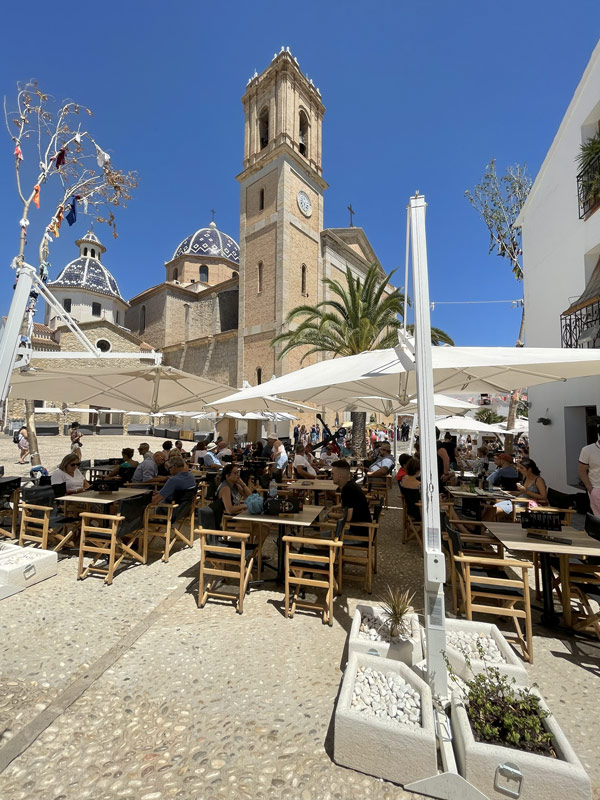
Learn why investing in real estate in Valencia, Spain in 2026 is an opportunity worth seizing. Market analysis, buying tips, and future outlook to help you succeed in your Valencia property investment.
Many buyers are still wondering: should they jump in now or wait to buy in Valencia?
1. Current State of the Valencia Real Estate Market (2026)
Valencia’s real estate market has been steadily rising since 2014 and is gradually catching up with major cities like Barcelona, Madrid, and Malaga. This growth is fueled by strong rental demand, increasing tourist appeal, and numerous new neighborhoods under development.
The outskirts of Valencia are seeing rapid price increases per square meter, while the city center and Ruzafa (the “marsh” district) experience more moderate growth. Across the Comunitat Valenciana, the market is setting records, driven by limited supply against sustained demand.
As of mid-2026, the average rent reached €13.94/m² per month, up 1.5% in a month and 11.8% over the past year. For an 80 m² apartment, that’s €1,115 per month compared to €998 the previous year.
Rental increases affect 28 of the 34 municipalities analyzed, with impressive rises in Moncada (+39.3%), Paterna (+38.7%), and Burjassot (+34.3%). The highest rents are in Alboraya (€17.77/m²), Benidorm (€16.97/m²), Valencia (€16.56/m²), and Canet d’En Berenguer (€16.11/m²). The most affordable are Alcoy (€6.69/m²), Elda (€7.73/m²), and Vinaròs (€7.81/m²)
2. Reasons to Buy Now in Valencia
Property prices in Valencia are rising rapidly, up around 10% over 12 months, bringing the average price per m² to €3,370, with a quarterly increase of 2.9%. The city has surpassed its previous historical high.
Among major Spanish cities, Valencia ranks just after Madrid in terms of price growth, ahead of Malaga (+20.3%), Palma (+18.5%), Alicante (+16.2%), and Salamanca (+15.1%). Other key markets like Seville (+13.8%), San Sebastián (+9.8%), and Bilbao (+7.3%) also follow this upward trend.
Why Are Mortgage Rates Falling in Spain?
Interest rates for real estate loans in Spain are very low, often near 2%, due to:
The European Central Bank keeping rates low to support economic recovery.
Bank competition offering attractive rates to attract clients.
Borrowers being perceived as low-risk.
Moderate inflation reducing the need to raise rates.
These conditions make borrowing easier, making property purchases more accessible for both individuals and investors, including foreigners.
3. Real Estate Opportunities in Spain: Why Act Before Prices Soar
Spain’s real estate market, especially Valencia, still offers good buying opportunities at reasonable prices. But these chances may vanish quickly as prices rise, potentially catching up with major European capitals like Paris, Berlin, or Amsterdam.
Factors driving this growth:
Strong rental and purchase demand.
Limited property availability.
Historically low interest rates encouraging investment.
Increasing interest from foreign buyers attracted by quality of life, climate, and infrastructure.
Buying now allows you to access affordable prices before they skyrocket and to anticipate rental increases that usually follow property price growth. Acting promptly can secure future gains.
4. Reasons to Wait Until 2026
Some buyers prefer to wait, anticipating a possible slowdown or price correction. Prices could drop slightly if:
Demand decreases.
Interest rates rise.
The economic situation slows down.
Such a decrease would likely be moderate, as demand remains strong and urban projects limit new housing supply. This stabilization could be interesting for patient buyers.
5. Potential Changes in Real Estate Taxation in Spain
Spain’s real estate taxes are complex and may change, particularly for foreign buyers.
Currently, non-residents, especially outside the EU, pay the same purchase taxes as everyone else. The ITP (transfer tax) does not depend on nationality or residency, it is 10% in the Valencia region for every buyer.
There is no legal difference in purchase tax between EU and non-EU buyers.
Example:
European resident buyer: ~10% purchase tax.
Non-EU buyer: 10% (identical).
Non-EU buyers are advised to act soon to benefit from current conditions.
6. Urban Projects in Valencia Affecting the Real Estate Market
V
Major urban projects in Valencia will impact property values:
Railway tunnel and new central station: Connecting north and south, freeing land for the Central Park expansion and new housing.
Turia Park extension to the sea: Creating continuous green space for pedestrians and cyclists.
Low Emission Zone (LEZ): Reducing pollution and encouraging clean transport.
Plaza del Ayuntamiento modernization: Greening and pedestrianizing the city center.
New Nou Mestalla stadium: A 70,000-seat venue boosting Valencia’s visibility.
These projects will increase demand, raise property values near development zones, and create investment opportunities.
7. Local Real Estate Agent Scenarios and Advice
Optimistic scenario: Continued growth
The market benefits from urban projects, improved infrastructure, and rising attractiveness. Prices are expected to increase steadily, offering medium- and long-term gains.
Pessimistic scenario: Slight correction
Prices may drop slightly if rates rise or the economy slows, but the decline would be limited due to strong demand and restricted supply. This could offer opportunities for patient buyers.
Advice:
Act strategically, focusing on developing neighborhoods near urban projects to ensure lasting value. Understand local taxes and potential incentives, especially as a foreigner. Work with an experienced local agent to secure the best opportunities.
Frequently Asked Questions
Should I buy property in Valencia now or wait?
For most buyers, buying now still makes sense: prices keep rising steadily and waiting often costs more than it saves. For a long-term investment or a second home, the timing remains favourable.
What is the average price per m² in Valencia in 2026?
Around €3,370/m² as of mid-2026, up roughly 10% year-on-year in many districts. See the full breakdown in our Valencia real estate market analysis 2026.
Are Valencia property prices still rising?
Yes, though at a more moderate pace than in previous years, supported by strong international demand and limited supply.
Is Valencia a good real estate investment in 2026?
Yes. It combines steady price appreciation with a gross rental yield of about 5.8–6.1% and year-round rental demand from students, professionals and remote workers.
Can I buy property in Valencia as a non-resident?
Yes. Non-residents can buy without restrictions; you only need an NIE and a Spanish bank account, plus local guidance for the tax and paperwork.
👉 Need help to buy your property in Valencia? Our multilingual team guides you at every step, even remotely.
📘 Complete guide: How to buy property in Valencia, step by step.