
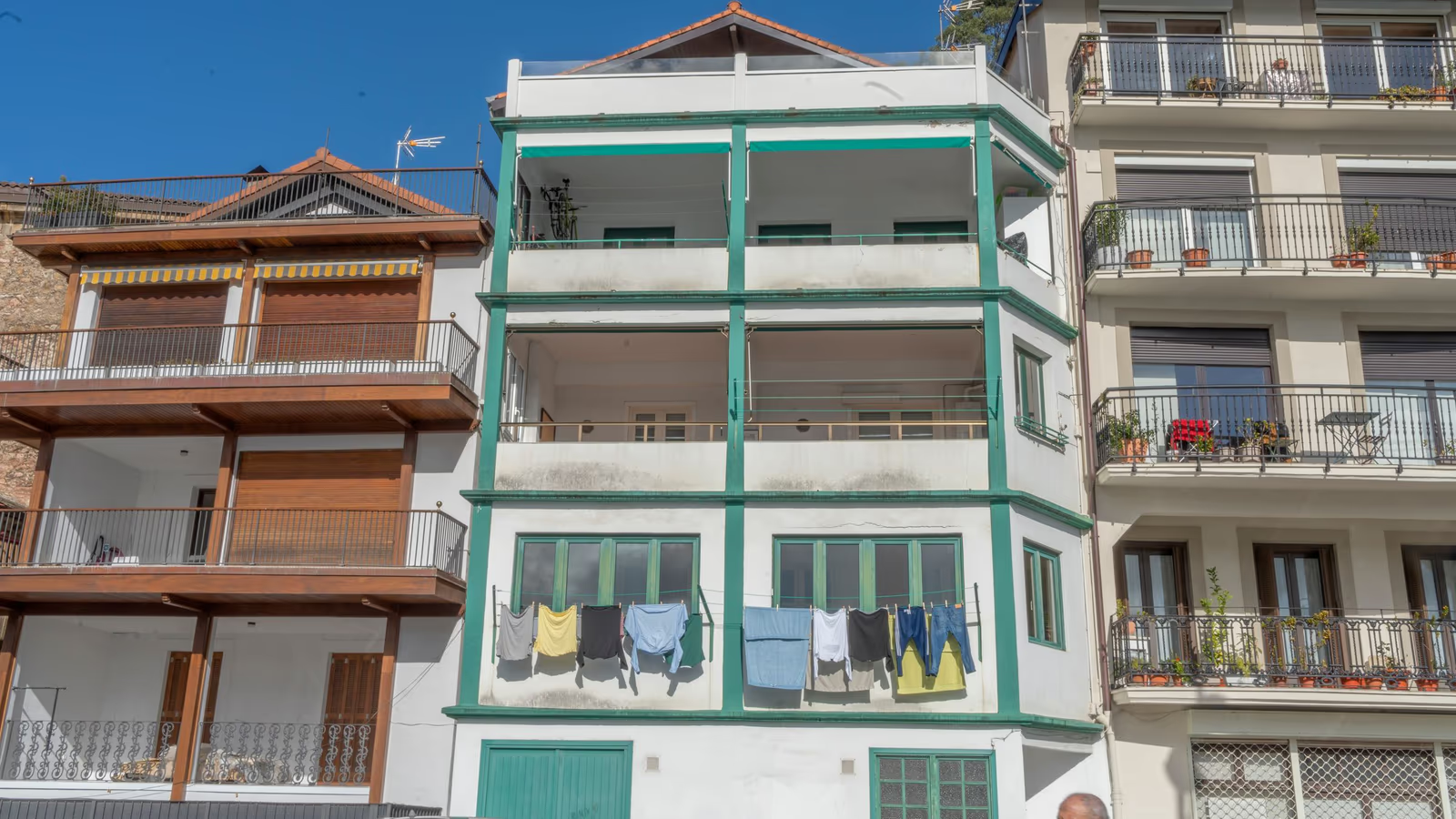
You own a rented apartment in Valencia and want to sell it. The short answer is yes, you can sell a property with a tenant in it, and it is more common than you might think. But it does not sell like an empty home: the lease stays in force with the buyer, the tenant has the right to buy before anyone else, and the price is worked out differently. This guide explains your options, what Spanish law says in October 2026 and how to avoid losing money.
In short, to sell a tenanted property in Valencia:
- You can sell without evicting the tenant: the buyer takes over the lease as it stands.
- Before selling to a third party, you must offer the property to the tenant at the same price, by burofax or through a notary.
- Choose your strategy: sell with the tenant to an investor, wait for the lease to end, or agree an exit with the tenant.
- A rented property is valued mainly on its yield: have your figures ready.
- If the lease ends in less than a year, your property also appeals to buyers who want to live in it.
- Organise viewings with the tenant, not against them.
- At completion, the deposit and the month’s rent pass to the buyer.
Legal update as of 24 October 2026. Royal Decree-Law 29/2026, in force since 8 October, has strengthened tenants’ rights when a property is sold. Because the Spanish Parliament has been dissolved, it must be validated by the Permanent Committee of Congress in early November; if it is not, the previous rules return. We will update this article as soon as the outcome is known.
1. Can you sell a rented property in Spain?
Yes. Owning a rented apartment does not stop you from selling it, and the tenant cannot block the sale. What changes is that the lease does not end with the sale: the buyer steps into your shoes as landlord, with the same rights and obligations.
The Spanish Urban Leases Act says so in article 14: the buyer must honour the lease for the first five years of its term, or seven if the landlord was a company. If the lease is longer, the buyer must in principle honour all of it; there are exceptions when the lease was not entered in the Land Registry.
In other words: selling is not a ground for the tenant to leave. If you want to hand over the property empty, you need the lease to end or an agreement with the tenant.
2. The tenant’s right to buy first
This is the point that derails the most sales when sellers are unaware of it. The tenant has a pre-emption right over the home they rent, in two forms:
- Right of first refusal (tanteo). Before selling, you must give the tenant formal notice, by burofax or through a notary, of your decision to sell, the price and the terms. They have 30 calendar days to decide whether to buy on those same terms.
- Right of redemption (retracto). If you did not notify them, or you sell to someone else at a lower price or on better terms than those offered, the tenant can take the buyer’s place by paying the same amount, within 30 calendar days of receiving a copy of the deed from the buyer.
This is not an optional formality: without proof of that notice, the sale cannot be entered in the Land Registry, and the buyer’s bank knows it. The notice expires after 180 days: if the sale is delayed, it must be repeated.
Since 8 October 2026, and provided the decree is validated, this right can no longer be waived in the lease. If your lease is older and includes a waiver, have the clause reviewed before selling.
A practical tip: the tenant is often the best possible buyer. They know the property, need no viewings and may be willing to pay a good price to avoid moving. Raise it with them informally before sending the formal notice.
3. Your three options for selling
Option 1: sell with the tenant in place
This is the fastest. The buyer will almost always be an investor looking for a property that generates income from day one, with no tenant search and no works. In Valencia, where rental demand is very strong, that buyer exists. In exchange, the price is usually lower than for an empty home, because the buyer cannot live in it or resell it vacant in the short term.
Option 2: wait for the lease to end
This gets the best price, if the end is near. Watch the timeline: a lease signed for less than five years is compulsorily renewed each year until it reaches five, or seven if the landlord is a company, and can then roll over year by year for up to three more years if neither party gives notice in time.
On top of that, Royal Decree-Law 29/2026 allows the tenant to request an extraordinary extension of up to two years if their main-home lease ends before 31 December 2028 and they are up to date with the rent. The landlord can only refuse if they need the home for themselves or their family: selling is not a valid reason. Before betting on waiting, work out the real date the property will be vacant.
Option 3: agree an exit with the tenant
Many landlords offer the tenant financial compensation to leave early. It is legal if it is voluntary and put in writing: a lease termination agreement setting the key handover date and the amount, paid on the day the tenant hands over the property. Any pressure, such as cutting off utilities or refusing repairs, is illegal and can be a criminal offence. Done properly, the deal suits both sides: the tenant gets help to move and you sell at the price of a vacant home.
4. What is a tenanted property worth?
A buyer who will live in the property compares it with other homes in the area. An investor does a different calculation: what it yields.
An illustrative example. Your apartment rents for €1,000 a month, or €12,000 a year. If the investor is looking for a 5% gross yield, they will be prepared to pay around €240,000. If the same apartment would sell empty for €270,000, the difference is what selling with a tenant costs you.
To narrow the gap:
- Keep the lease, receipts and payment history to hand: a tenant who has paid on time for years is worth money.
- If the rent is below market, explain when and how it can be updated.
- Work out the date the property will be vacant, including extensions: it is the figure a buyer who wants to live there later looks at most.
5. Who buys a rented property, and when it pays off
We are talking here about long-term leases, the main-home tenancies governed by the Spanish Urban Leases Act, not short or seasonal lets. For these, a buyer’s interest depends mainly on two figures: the date the lease ends and the level of the rent.
- An investor. If the rent is in line with the 2026 market, the yield is good from day one, with no tenant search and no empty months. A recent lease at a current rent is a selling point, not a problem. Conversely, an old rent well below market weighs on the price.
- Someone who wants to live in it. As a main home, buying a rented property is usually not worth it, except in one case: if the lease ends in less than a year. They can then buy below the price of an empty home, collect the rent while they wait and move in when the tenant leaves at the end of the lease.
For that second buyer, the calculation is simple: add the discount on the price and the rent they will collect until the lease ends, then subtract what they will keep paying for their current home while they wait, in rent or costs. An illustrative example: an apartment worth €270,000 empty is bought for €250,000, with a lease ending in 10 months and a rent of €1,000. The buyer saves €20,000 on the price and collects €10,000 in rent; if they pay €900 a month in rent where they live today, the wait costs them €9,000. Net result: about €21,000 in their favour. If the end of the lease is far off, the numbers stop adding up.
For you as the seller, the takeaway is clear: if the lease ends in less than a year, your property appeals to both profiles, investors and future occupants, and the discount should be small. Before setting the price, check the exact end date of the lease, including extensions, and whether the tenant can request the extraordinary extension. Every buyer has their own project: what does not pay off for one is a good deal for another.
6. Viewings with a tenant in place
Unless the lease provides for it, the tenant is not obliged to let buyers in. In practice, everything comes down to agreement:
- tell them about the sale before listing, not after;
- group viewings into fixed time slots that suit them;
- consider a small rent reduction while the sale lasts;
- have professional photos taken once, with their permission, so that only genuinely interested buyers visit.
A cooperative tenant sells the property. One who feels threatened can make every viewing a failure.
7. At completion: deposit, rent and costs
As the buyer takes over the lease, they also take over the obligation to return the deposit at the end of the tenancy. The usual approach is to hand them the amount at signing or deduct it from the price. In the Valencian Community, the deposit is lodged with the regional government: it is advisable to notify the change of landlord.
- The month’s rent is split by days between seller and buyer.
- IBI and community fees are apportioned as in any sale.
- The tenant should receive a letter with the new owner’s details and the new payment account.
- The original lease and its annexes are handed to the buyer.
For the other steps, documents and taxes common to every sale, see our step-by-step guide to selling your apartment in Valencia.
8. Tax on selling a property that was let
You pay the same taxes as in any sale: the municipal plusvalía and capital gains tax, from 19% to 28% if you are tax resident in Spain and 19% if you are not, with the buyer withholding 3%. But there are two important differences:
- The depreciation you deducted against the rent reduces your purchase price. If you deducted the property’s depreciation in your tax returns for years, that amount comes off the acquisition value, and your gain is higher. It is the most common calculation mistake.
- There is no reinvestment exemption: a rented property was not your main home.
You must also declare the rent received up to the date of sale. If you are not resident, the 3% withholding and the other obligations are explained in selling in Spain as a non-resident.
What if you live outside Spain?
It is a very common situation: owners who let their Valencia apartment while living in another country and decide to sell. Everything can be handled remotely with a power of attorney, including the notice to the tenant and the signing. If you would rather hand it over, here is how we sell your property in Valencia, with or without a tenant.
Frequently asked questions
Can you sell a property in Spain with a tenant in it?
Yes. The tenant cannot prevent the sale, but the lease stays in force: the buyer takes the owner’s place and must honour it for at least the first five years of its term, or seven if the landlord was a company.
Do I have to offer the property to my tenant before selling?
Yes. You must notify them by burofax or through a notary of the price and terms of the sale. They have 30 calendar days to buy on those same terms. Without that notice, they can undo the sale by taking the property at the same price, and the sale cannot be registered.
Can I evict my tenant to sell the property?
No. A sale is not a ground for ending the lease. You can only hand over the property empty if the lease comes to an end or the tenant agrees to leave, usually in exchange for compensation agreed in writing.
Does a tenanted property sell for less?
Usually yes, because the buyer will be an investor who values it on its yield and cannot use it. The difference depends on the rent, the time left on the lease and the tenant’s payment history. If the lease ends in less than a year, it shrinks considerably, because the property also appeals to buyers who want to live in it.
What happens to the deposit when I sell a rented property?
It passes to the buyer, who will return it to the tenant at the end of the lease. The usual approach is to hand over the amount at signing or deduct it from the price, and to notify the change of landlord to the regional government, where it is lodged.
Want to sell a rented property in Valencia? We help you choose the best option for your situation, work out its value with and without a tenant, and handle the sale, even if you live abroad. Request a free valuation.
General information based on the rules in force on 24 October 2026, including Royal Decree-Law 29/2026, pending validation. This is not legal or tax advice: check your own situation with a professional.